The effort behind the game, and how its story was born
Why I wanted to make this game, how its story was designed and who is behind it. Told plainly, and without spoiling the ending.
By Keidegger Silva · After Signal
Updated:
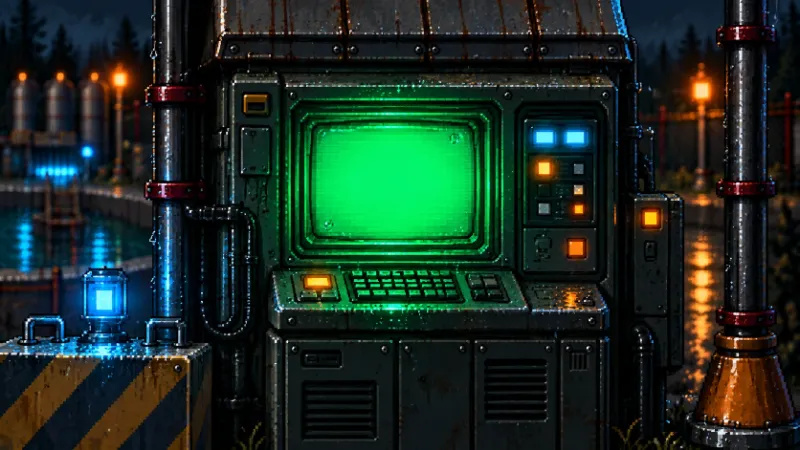
In this bulletin
How it was born
I wanted to tell a cinematic, serious story about a world where water, the most valuable resource we have, is running out, and about the crisis that world falls into when it is gone. I did not want a sermon about saving water. I wanted a story you could live through, with its mystery, its places and its people.
That is why Who Left It On? is told through play and in chapters, like a series. Each part is discovered calmly and leaves something open for the next. Water is at the heart of it all, in a world where clean water is made, the network that kept it flowing went dark, and a plant is waiting for someone to switch it back on.
A story in chapters
The first chapter, “The Abandoned Plant”, takes place at Plant 7. It starts with the simplest doubt anyone would have on arriving at a place like that, what happened here. By the end, some questions have an answer and others stay open for the next chapter.
Before drawing anything, I build the chapter as a chain of steps, with what you have to find, what opens what and what you discover at each moment. That chain holds the story up, and the map, the notes and the puzzles hang from it.
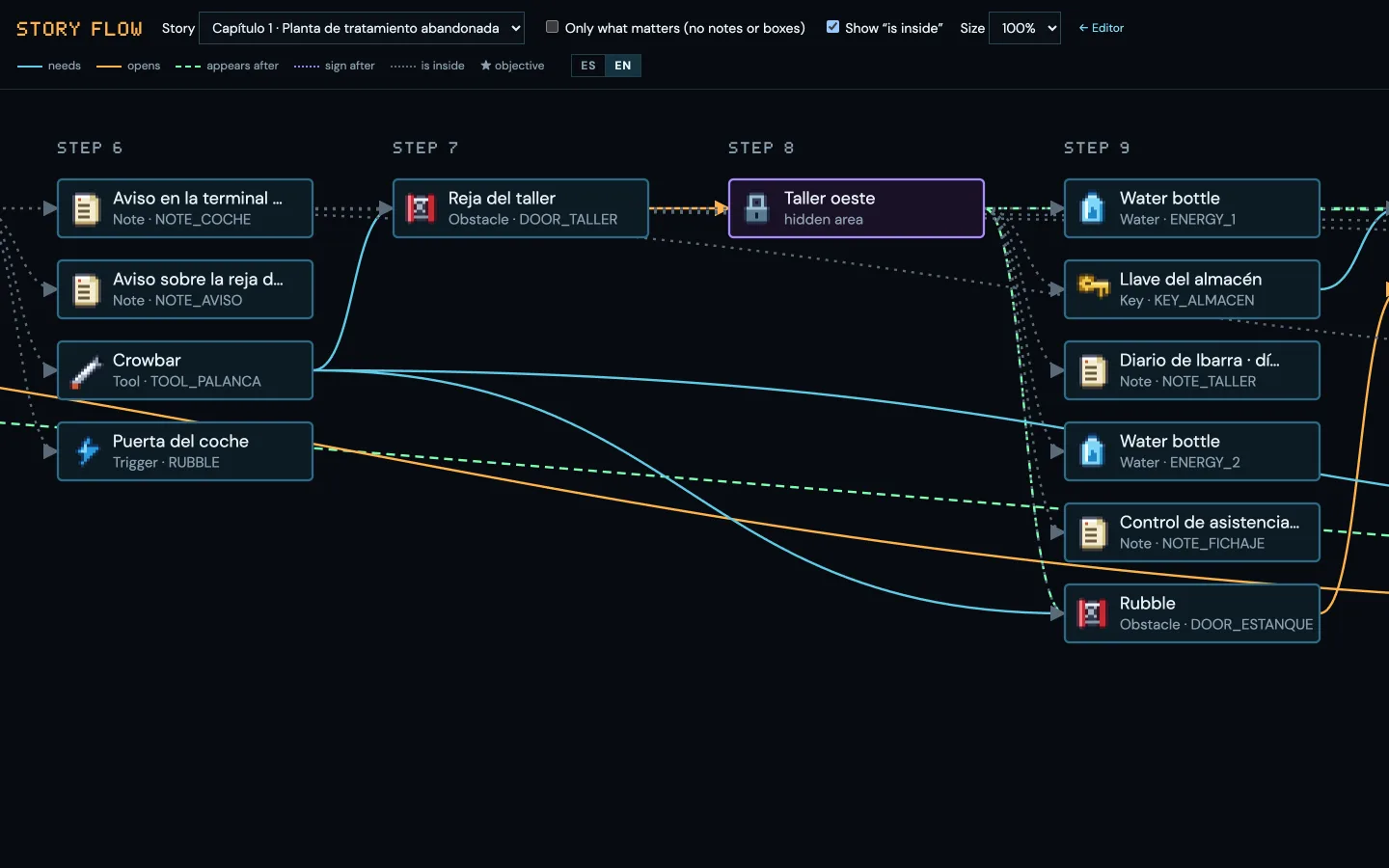
The notes, the plant’s voice
The story is not told only through scenes. It is told above all through what people left behind, such as work reports, notices on the gates, tags on the keys or a diary with numbered days. Every note is short, because you read it standing up, in the rain, with something else to do.
Some notes have a sense of humour, because the people who worked there had one. An abandoned plant can be frightening and still hold the handwriting of someone who spent years counting ducks.
Today’s duck count: 3. Yesterday’s: 3. Three years ago: 3.
That tone lowers your guard, and then come the things that do not fit. A key with its teeth filed by hand, as if someone meant to come back for it. A part that should not still be warm. A notice nobody obeyed. The mystery comes from those small details.
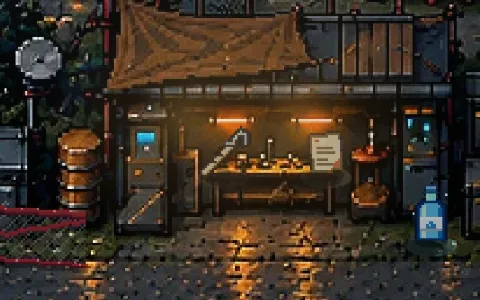
Mystery, but fair
I wanted a mystery you solve by looking, not by guessing. The task list tells you what is missing without telling you how to do it, the puzzles are small, and if you get stuck, the game gives you a hint. The rest is up to you, reading, connecting the dots and drawing your own conclusions.
Who makes it
I do, Keidegger Silva. I am an experience (UX) designer, not a programmer. I love games, telling stories and pixel art, and Who Left It On? is my way of bringing the three together. I design the chapters, write the story, test them on a computer and on a phone, and release them.
After Signal is the name of the studio I make it from, a one-person studio that makes narrative games and also the tool to tell them.
How it was made, and AI
I have built it with a lot of care and love for the craft. The design system, the mechanics, the story and the decisions are my own work.
A homemade editor
So as not to depend on programming every scene, I built my own editor, Tale Rocket. With it I put together the map, the notes, the tasks, the scenes and the translations, and chapter 1 was made entirely with it. I tell you about it in the next bulletin.
What comes next
- More chapters, with the intention of releasing one every month or so.
- Keep polishing Tale Rocket with what I learn in each chapter.
- Read everything you write to me. Bugs and ideas reach me at hello@wholeftiton.com.
How to help
Any support helps a lot, whether it is playing, telling someone about it or following us on social media.